Why “I Love You” Isn’t Said Lightly in Portugal
If you’re learning Portuguese, you’ve probably encountered a phrase that feels deceptively simple: “Amo-te.” It’s the literal translation of “I love you” but in Portugal, you’ll rarely hear it.
If you’re learning Portuguese, you’ve probably encountered a phrase that feels deceptively simple: “Amo-te.” It’s the literal translation of “I love you” but in Portugal, you’ll rarely hear it.
In one of my recent lessons, a student asked: “Is there a masculine version of dona de casa in Portuguese?” The answer? **Yes… and no.** This question opens up a much bigger conversation about language, gender roles, and culture, especially in the context of Portuguese society. Let’s dive in.
When it comes to drug laws, two words are often confused: legalization and decriminalisation. Many people believe drugs are legal in Portugal, but in reality, Portugal decriminalized drug use, not legalised it.
Fado is more than just music. It’s the sound of the Portuguese soul. Rooted in emotion, poetry, and tradition, Fado captures the melancholy and beauty of life’s fleeting moments. Whether sung in a small corner tavern or on an international stage, this iconic genre continues to define Portugal’s cultural identity.
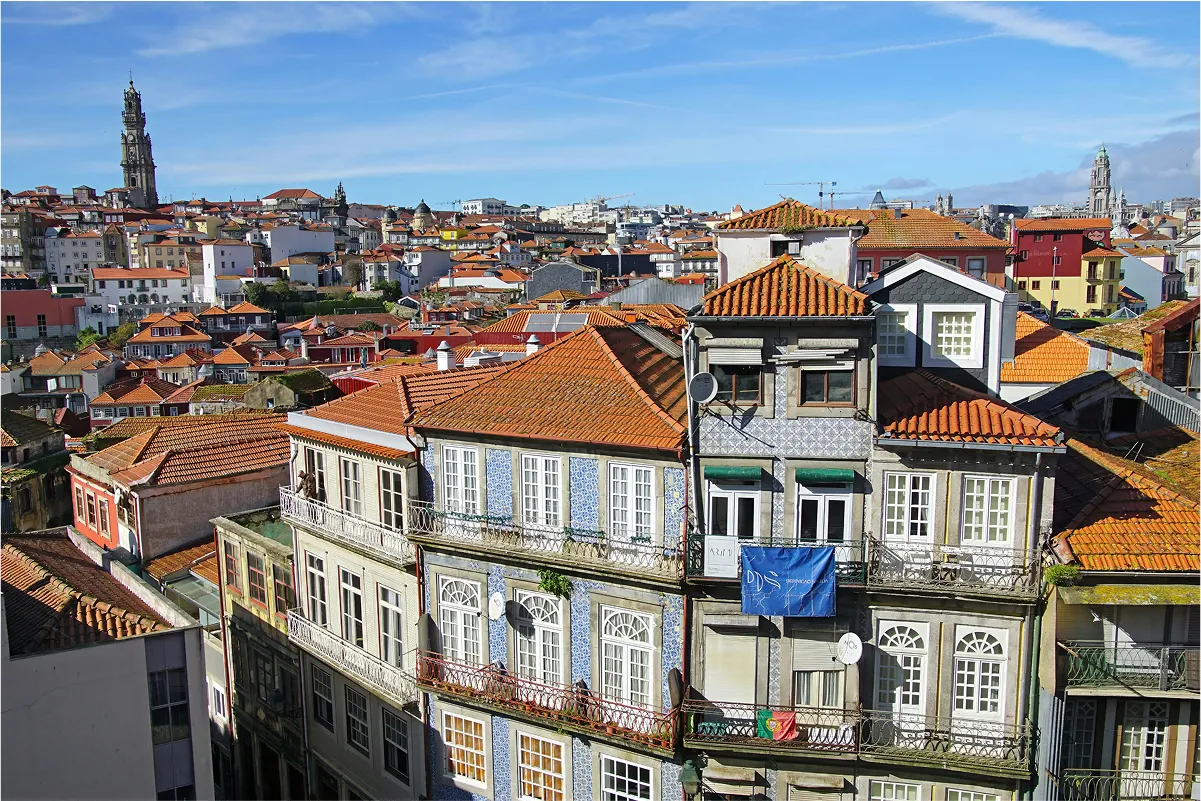
One of the biggest challenges at A2 level is learning how to talk about the past. In Portuguese, we don’t just have one past tense — we have two: Pretérito Perfeito and Pretérito Imperfeito. At first, this can feel confusing, but once you understand the difference, you’ll be able to tell stories and share experiences much more naturally.
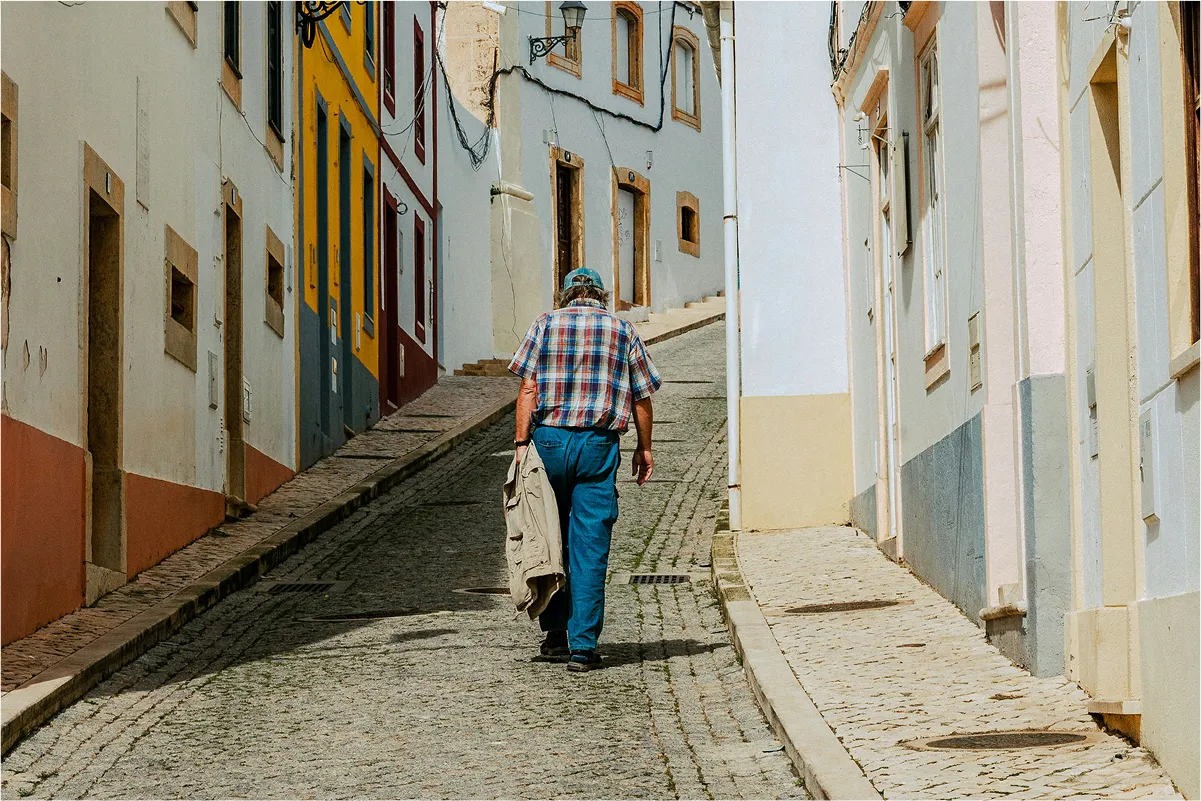
In this stage, you move beyond survival phrases and start living the language. Holding real conversations, talking about the past and future, and handling everyday situations with more confidence.
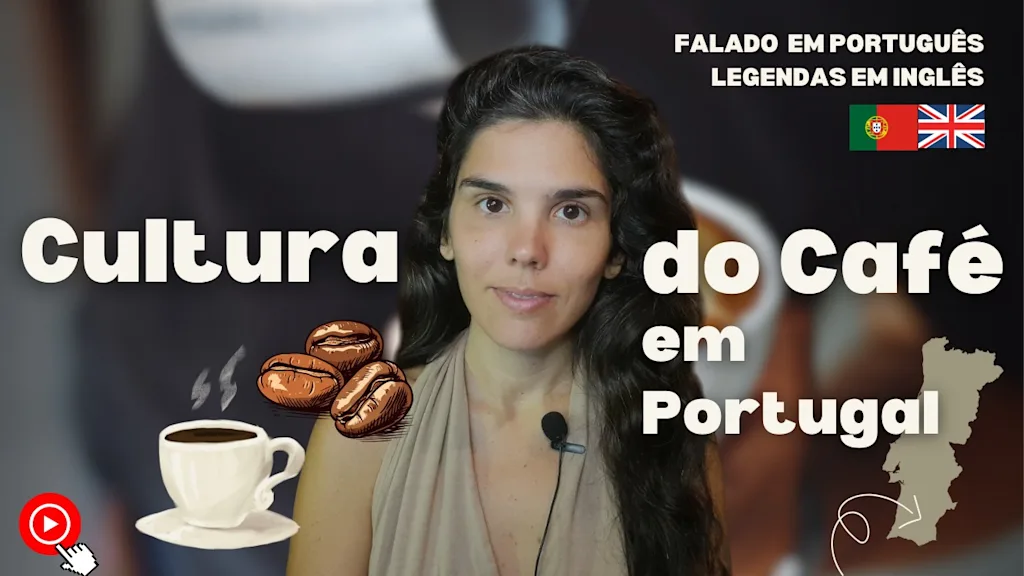
Coffee in Portugal is not just a drink. It’s a ritual, a meeting point, and a cultural cornerstone that transcends generations, regions, and social classes.
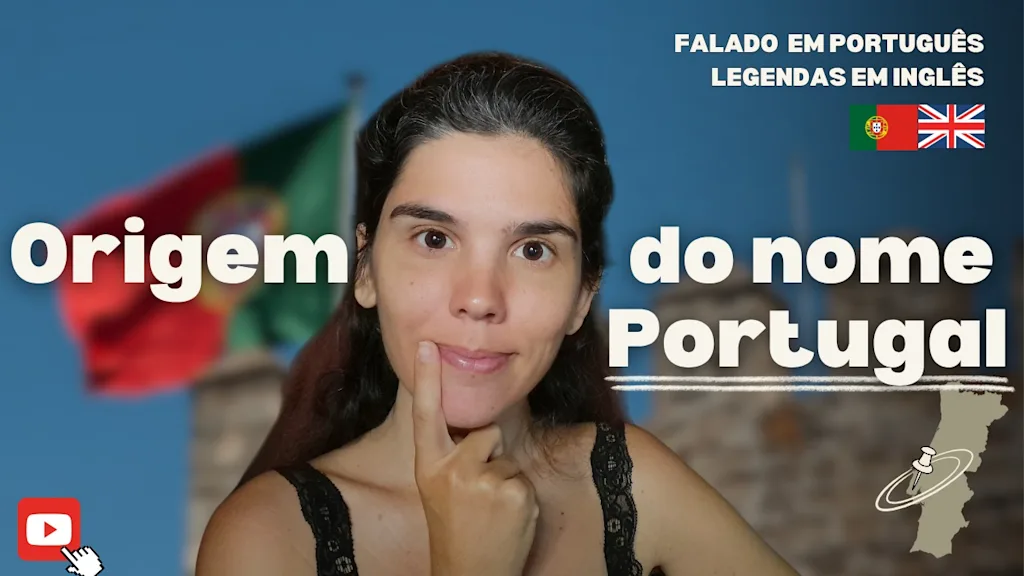
The name Portugal may now evoke coastal landscapes, historic cities, and a rich culture — but its origin dates back to ancient times, even before the country itself was founded.

In Portugal, using titles like Doutor or Doutora isn’t just about profession — it’s about respect, education, and social etiquette. This article breaks down when and why to use formal titles, and how they shape daily interactions in Portuguese culture.

In Portugal, a kiss on each cheek or a friendly abraço can say more than words. This guide breaks down the social rules behind Portuguese greetings — from casual hellos to affectionate message sign-offs.

In Portugal, favors aren’t debts — they’re gestures of connection. Discover how everyday help, from carrying groceries to pet-sitting, builds community and reinforces values of trust and solidarity.

From handshakes to cheek kisses and affectionate sign-offs in messages, greetings in Portugal follow unspoken social codes. This guide will help you navigate both formal and casual situations with confidence and warmth.
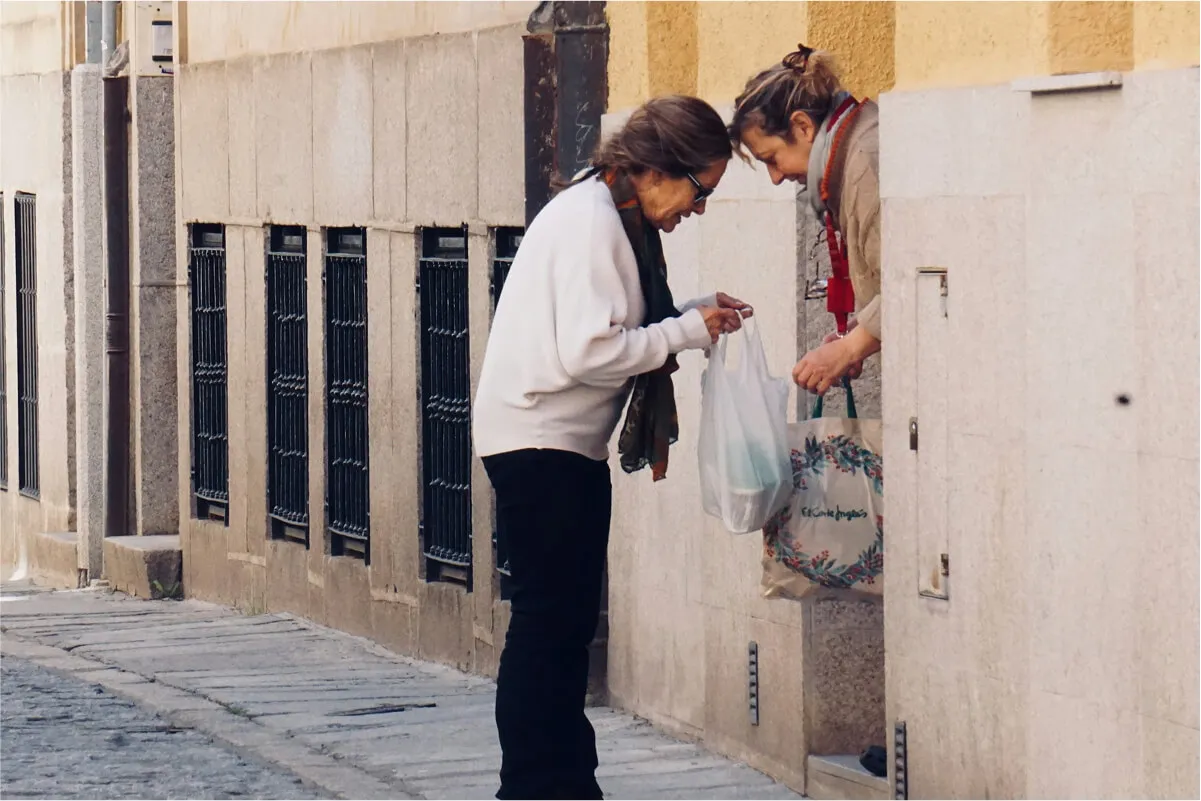
In Portuguese villages and small towns, being a neighbor often means more than living nearby. Discover how simple greetings can grow into warm relationships and why small gifts — like eggs or tomatoes — carry big meaning.

Portugal balances warmth and politeness through unspoken rules of physical space and affection. Learn how to navigate everyday contact — from cheek kisses to arm’s-length conversation — with confidence and cultural ease.
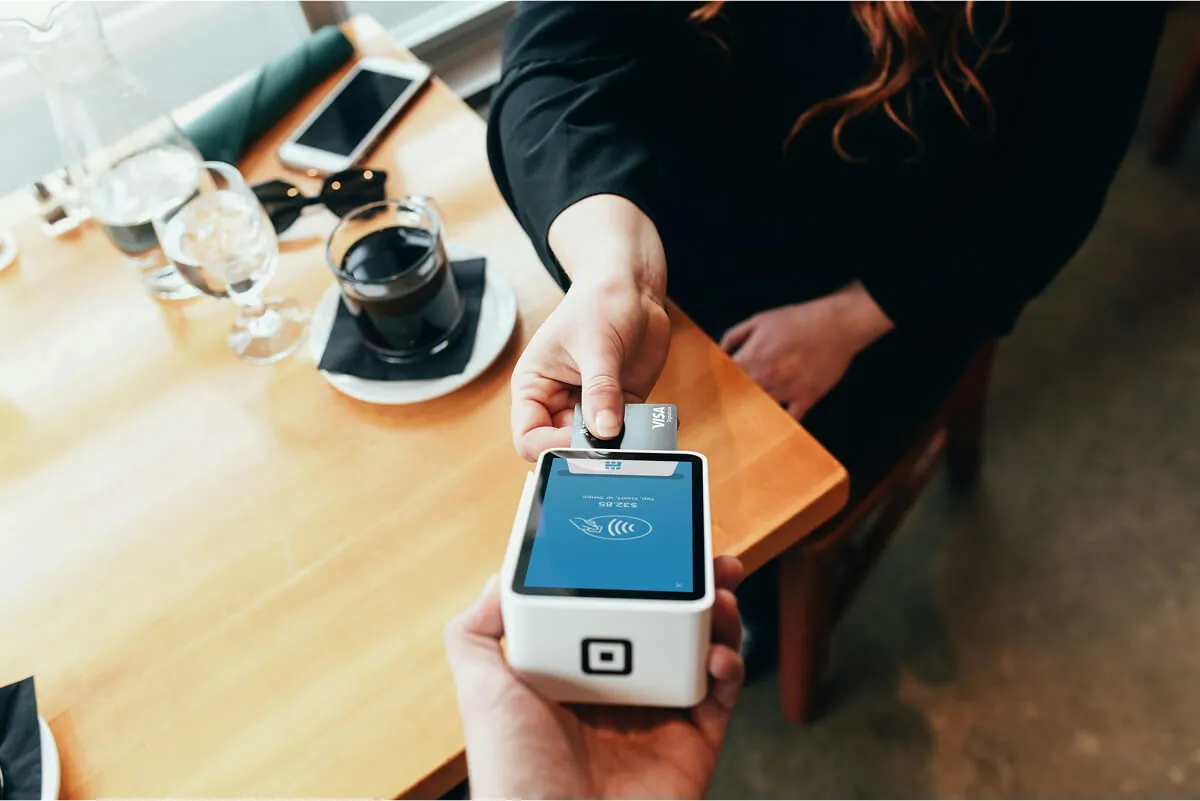
Tipping in Portugal isn’t required, but it’s always a kind gesture. Learn when, where, and how much to tip — from cafés and taxis to high-end restaurants — without feeling awkward or out of place.
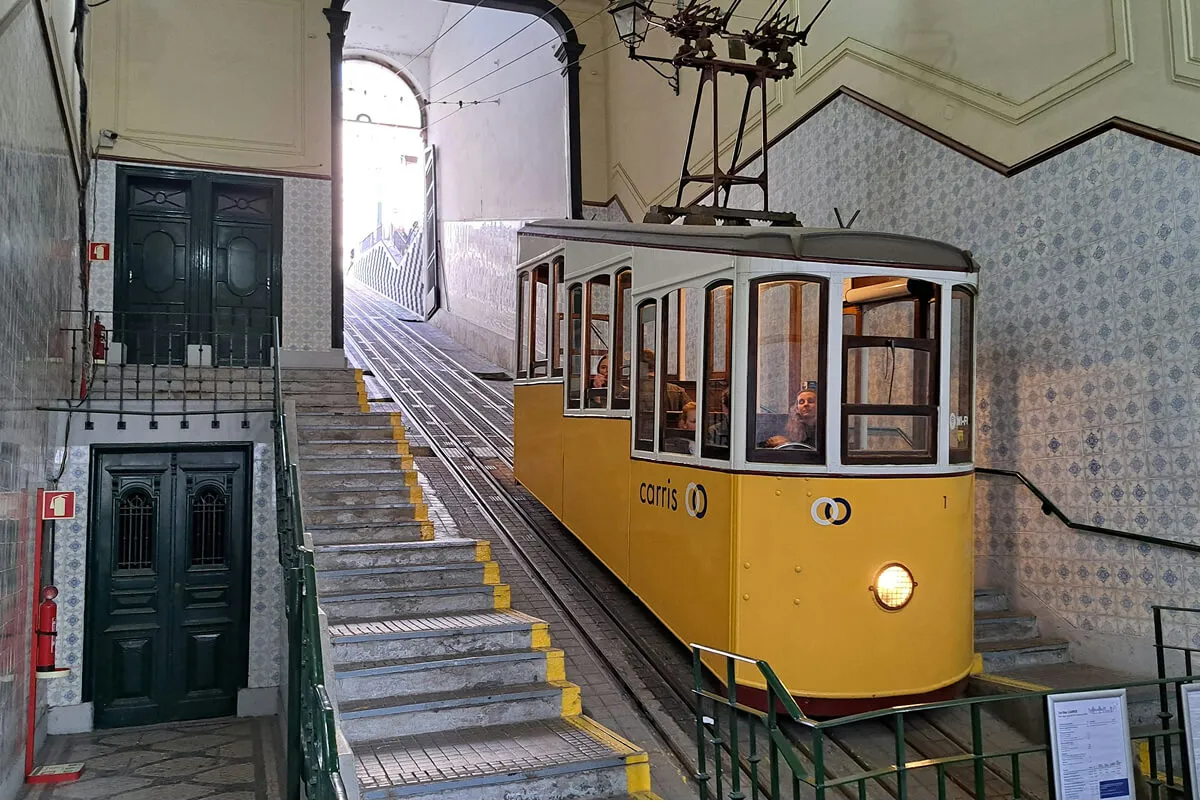
Portugal is generally safe, but understanding how to identify legitimate transport — from licensed taxis to app-based rides — can protect you from common scams. These tips will help you travel with confidence.