

Why “I Love You” Isn’t Said Lightly in Portugal
If you’re learning Portuguese, you’ve probably encountered a phrase that feels deceptively simple: “Amo-te.” It’s the literal translation of “I love you” but in Portugal, you’ll rarely hear it.
This is an example
The content of the article goes here!
If you’re learning Portuguese, you’ve probably encountered a phrase that feels deceptively simple: “Amo-te.” It’s the literal translation of “I love you” but in Portugal, you’ll rarely hear it.
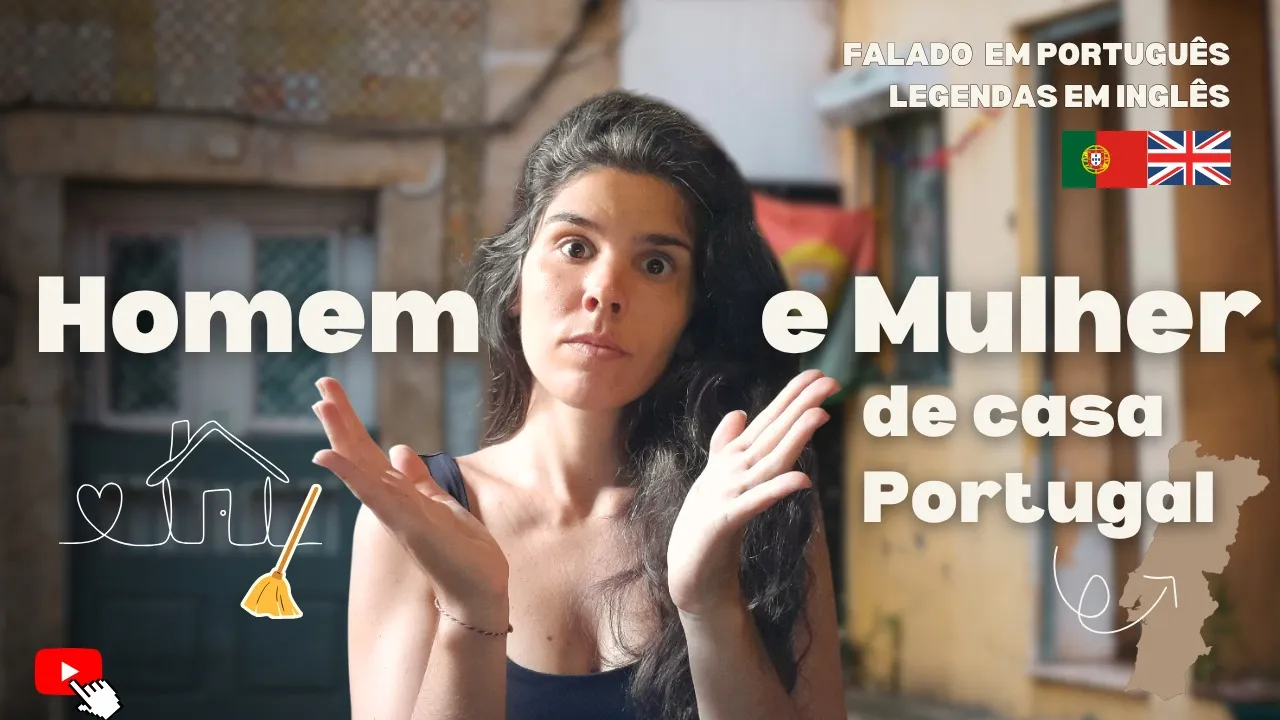
In one of my recent lessons, a student asked: “Is there a masculine version of dona de casa in Portuguese?” The answer? **Yes… and no.** This question opens up a much bigger conversation about language, gender roles, and culture, especially in the context of Portuguese society. Let’s dive in.
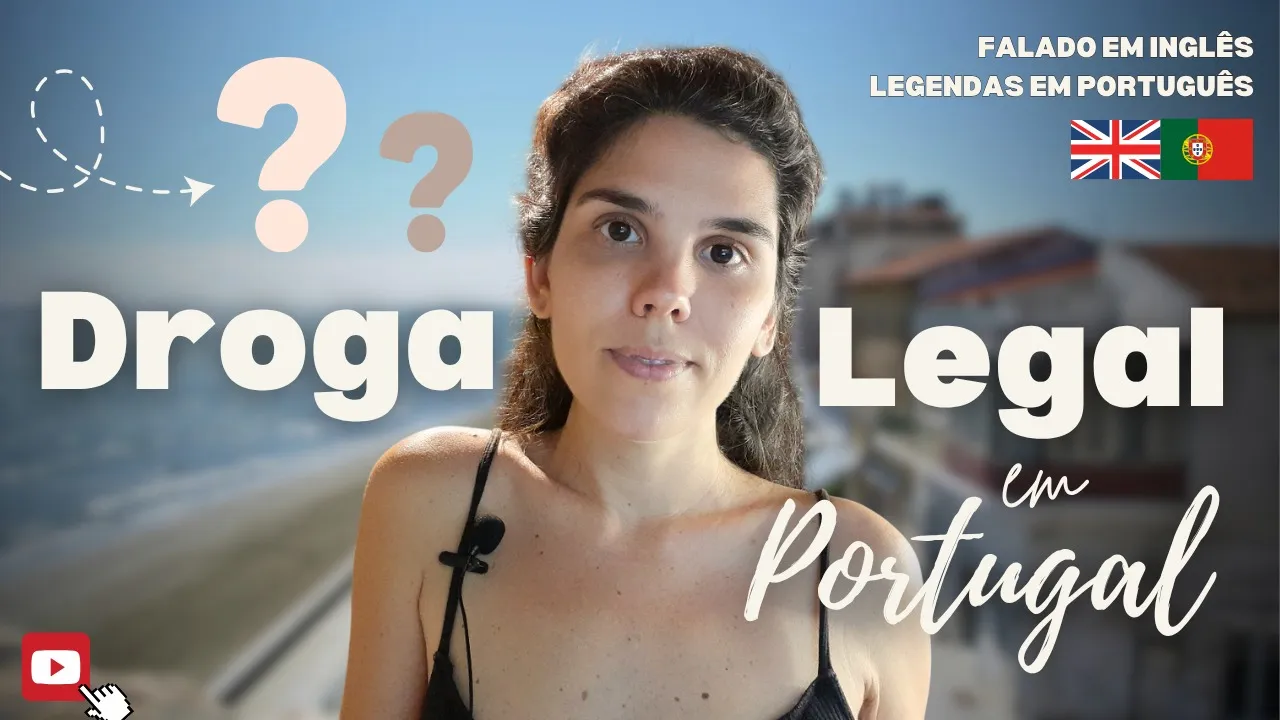
When it comes to drug laws, two words are often confused: legalization and decriminalisation. Many people believe drugs are legal in Portugal, but in reality, Portugal decriminalized drug use, not legalised it.
I’m Sofia, a European Portuguese teacher and artist. I offer engaging small-group intensives, personalized private lessons, and conversational practice designed to help you feel the language—not just study it.